Since 2020, Neurodiversity at Work has hosted multiple undergraduate and graduate students as trainees in their final semesters. Trainees have come to Kennedy Krieger Institute with backgrounds in public health administration, occupational therapy and speech-language pathology from local universities like University of Maryland, Baltimore County (UMBC), Towson University and University of Maryland. These talented students have been instrumental in helping us to provide enriched services to community members focused on increasing public health knowledge and functional life skills. We are fortunate to have collaborative partnerships with each of these local universities!
Additional information for each trainee is listed below.
2026 Cohorts
Spring: Erika Contreras (UMBC), Priya Joshi (UMBC), Manahil Khuram (UMBC), Hayat Sultan (UMBC)
During their spring internships, Erika, Priya, Manahil and Hayat supported CORE Foundations community development services. Erika and Hayat helped community members in Montgomery County. Priya worked with CORE Foundations community members in Howard County. Each intern did a great job creating meaningful activities and providing supportive services for community members.
Manahil supported CORE Foundations employment services and community development services in Baltimore County. Manahil learned quickly how to best support community members with their workplace routines and problem-solving skills.
Summer: Juan Andrada-Oliva (UMBC), Dustin Nguyen (UMBC)
This summer, Juan and Dustin jumped right into supporting community development services in Montgomery County. Juan was paired with a former UMBC trainee, Anarri King, who joined our team as a staff member! It’s great when trainees are hired as employees and then help guide new trainees on the team. Juan and Dustin were able to create fun and memorable activities for CORE Foundations community members throughout the summer.
Spring: Hilal Bicer (UMBC), Tudian Francis (Eastern Washington University), Noah Haas (UMBC), Sehaj Kaur (UMBC), Sneha Khati (UMBC), Jaylynn Smith (UMBC)
During their spring internships, Hilal, Tudian, Sneha and Jaylynn supported CORE Foundations community development services. Sneha, Tudian and Hilal helped community members in Baltimore County. Jaylynn worked with CORE Foundations community members in Howard County. Each intern did a great job creating meaningful activities and providing supportive services for community members.
Noah and Sehaj supported CORE Foundations employment services on Kennedy Krieger’s Broadway campus. Both helped community members with their workplace routines and problem-solving skills.
Summer: Michael Kim (UMBC), Haluh Jayash (UMBC), Maira Usman (UMBC)
This summer, Michael jumped right into supporting community development services in Howard County. He was paired with a former UMBC trainee, Noah Haas, who joined our team as a staff member. With their mutual connection to UMBC, Michael and Noah were able to create fun and memorable activities for CORE Foundations community members throughout the summer.
Haluh and Maira worked with CORE Foundations community members that were working on Kennedy Krieger’s Broadway campus. Both trainees supported community members with their daily routines including responding to emails, completing checklists and staying focused at work.
Fall: Breana Nguyen (UMBC), Anarri King (UMBC)
During the fall, we were fortunate enough to work with Breana and Anarri from UMBC. Breana worked with CORE Foundations community members in Baltimore County during employment services and community development services. Breana learned quickly how to best support community members with their daily routines during each type of service.
Anarri worked with CORE Foundations community members in Montgomery County during community development services. She worked hard to create fun and memorable activities for CORE Foundations community members throughout the fall semester.
Spring: Makya Eaton (UMBC), Titilope, Ibiwoye (UMBC), Areyon Miller (UMBC), Julie Cantwell (Towson), Emily Klemkowski (Towson), Stephon Mason (Towson), Lauren Pahutski (Towson).
Makya, Titi, and Areyon supported CORE Foundations community development services during their internships. They worked with community members in Baltimore County and Howard County. Each intern did a great job creating meaningful activities and providing supportive services for community members.
During Emily’s internship, she supported Project SEARCH at Kennedy Krieger Institute. She worked hard to implement a program that focused on teaching self-regulation strategies to neurodiverse individuals. All of the Project SEARCH interns really enjoyed working with her!
Julie, Stephon, and Lauren supported community development services in Baltimore County during their internship. Although they only had a 30-hour internship, Julie, Stephon, and Lauren were able to design and implement community-based occupational therapy strategies that were a benefit to all community members.
- Makya Eaton’s final project
- Titilope Ibiwoye’s final project
- Areyon Miller’s final project
- Emily Klemkowski’s final project
- Julie Cantwell, Stephon Mason, and Lauren Pahutski’s final project
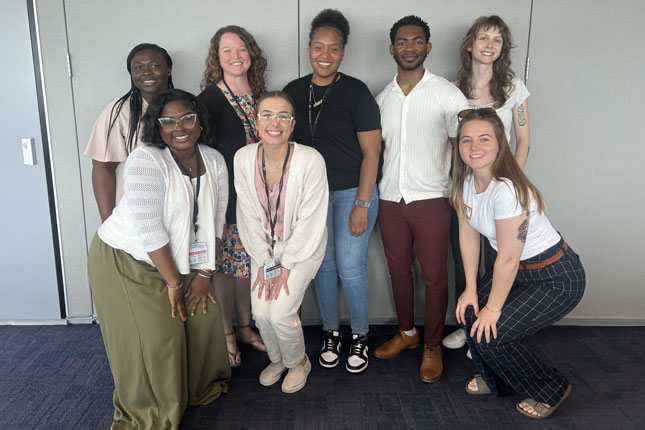
Fall: Shane Davis (UMBC), Edlam Woldemariam (UMBC), Sanyah Bhatti (UMBC)
Edlam and Sanyah supported CORE Foundations’ community development services during their internships. They worked with community members in Howard County. Each intern did a great job creating meaningful activities and providing supportive services for community members.
Shane supported CORE Foundations’ employment services on Kennedy Krieger’s Broadway campus. He helped community members with their workplace routines and problem-solving skills.
2023 Cohorts
Spring: Amina Abubaker-Sharif (UMBC), Rohkaya Kane (UMBC), Michael Mentzel (University of Maryland), Madison Mulherin (Towson), Joseph Amos (Towson)
Amina and Rohkaya supported CORE Foundations’ employment services during their internships. They helped to support community members that were working on Kennedy Krieger campuses in Baltimore and Columbia. During their internships, Rohkaya and Amina helped to lead virtual sessions with community members too.
During his internship, Mike supported Project SEARCH and worked in the Center for Autism Related Disorders at Kennedy Krieger Institute. This was a pilot internship between the two Kennedy Krieger departments to be able to offer speech services to a larger demographic. Mike did a great job juggling a multitude of responsibilities!
Madison (Max) and Joe supported Project SEARCH during their short internship with Meaningful Community Services. While they only had 30 hours, Max and Joe were able to design and implement occupational therapy services that allowed Project SEARCH interns to experience success in their internships.
- Amina Abubaker-Sharif’s final project
- Rohkaya Kane’s final project
- Michael Mentzel’s final project
- Max Mulherin and Joe Amos’ final project
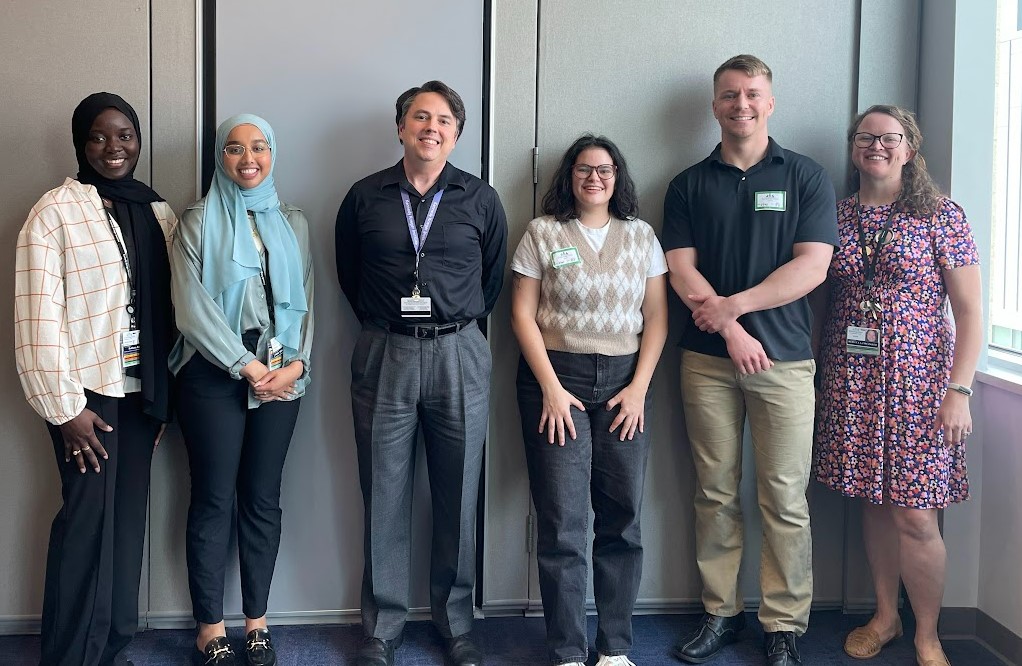
Summer: Bulo Osman (UMBC)
Bulo supported CORE Foundations’ services during her internship. She helped to support community members that were working on the Kennedy Krieger campus in Baltimore. Additionally, Bulo worked with community members that were participating in community development services in Rockville. We were fortunate to have Bulo on our team this summer!
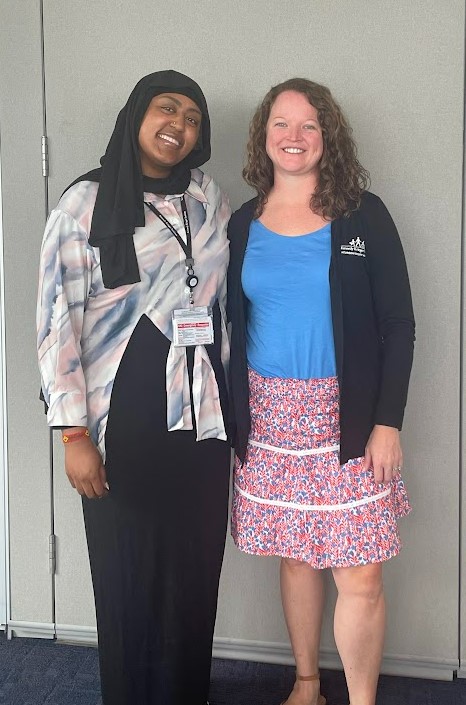
Fall: Rumsha Raza (UMBC)
Rumsha was a great addition to the Project SEARCH team at Kennedy Krieger. She jumped in to help support Project SEARCH interns during their first round internships and provided employment supports for CORE Foundations community members that work on Kennedy Krieger’s campus. We were lucky to have Rumsha as a part of our Neurodiversity at Work team this fall!
Spring: Heather Hinson, Katherine Mezene, Lauren Stone
Katherine and Lauren supported CORE Foundations during their internships and were able to provide in-person services! Katherine helped to support a community member that worked at the International Center for Spinal Cord Injuries in Maple Lawn. She also met weekly with community members in our virtual sessions. Lauren worked hard to provide virtual services to community members in small groups and large groups. She did a great job finding creative topics for her Daily Professional Developments that kept all of the community members engaged!
Heather supported Project SEARCH on-campus each day of her internship! She worked hard to build meaningful relationships with the Project SEARCH interns and helped them to grow professionally. We are lucky that Heather and Katherine have joined the Meaningful Community Services team as full-time employees!
Summer: C.J. Okafor
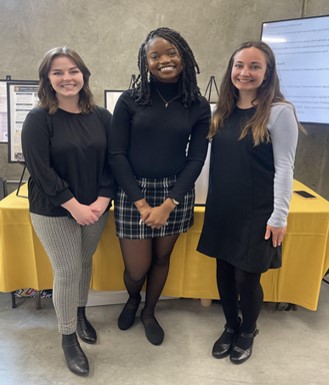
C.J. supported CORE Foundations during his internship. He provided in-person services to support a community member that worked at the International Center for Spinal Cord Injuries in Maple Lawn. C.J. met weekly with community members in our virtual sessions.
Fall: Natalie Bednarek, Megan Halczuk, Sisuri Senewiratne
Natalie joined us as our first graduate intern from Purdue University Global. Natalie is a nurse at Kennedy Krieger that has helped to support our Covid-19 Vaccine Clinic. During her internship, she continued her work at the Covid-19 Vaccine Clinic and was instrumental in completing a literature review to be used in a research study with data from the Covid-19 Vaccine Clinic. Natalie helped to support the Meaningful Community Services team by leading virtual sessions and connecting with community members.
Megan supported Project SEARCH on-campus each day of her internship! She worked hard to build meaningful relationships with the Project SEARCH interns and helped them to grow professionally. Megan also lead virtual sessions with the CORE Foundations community members each week.
Sisuri supported CORE Foundations during her internship. She helped to support a community member that worked at the International Center for Spinal Cord Injuries in Maple Lawn and she met regularly with community members in our virtual sessions. Sisuri worked to take on additional administrative tasks in her internship that supported the overall programming of Meaningful Community Services.
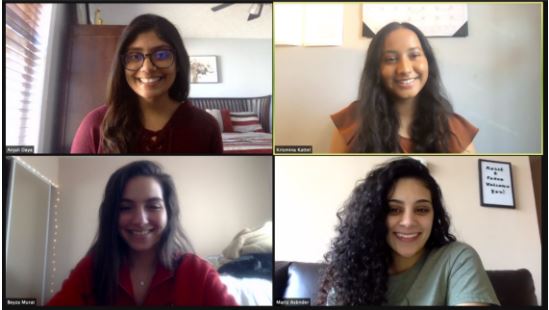
Spring: Mariz Asknder, Anjali Daya, Krismina Kattel, Beyza Murat
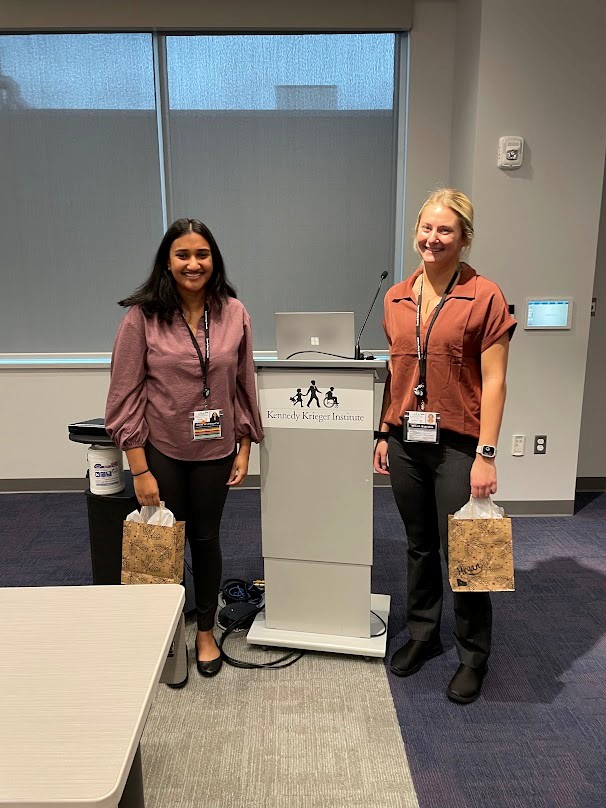
Mariz and Krismina helped to support the Project SEARCH interns through virtual services during the semester. They created engaging Daily Professional Development lessons that focused on employability and life skills. Mariz and Krismina also helped to support the interns during their remote internship rotations.
Anjali and Beyza supported CORE Foundations through virtual services during the semester. They worked with community members in employment services and in community development services. Their virtual services helped to prepare community members to begin receiving in-person services in the summer of 2021.
Summer: Janet Butt, Aisha Chishti
Janet worked with CORE Foundations to help support our community members that were working at Kennedy Krieger Institute. She did regular check-ins with community members that were at work and helped recently hired community members learn new tasks.
Aisha worked with former Project SEARCH interns in their local communities. She created a smooth transition for Project SEARCH interns to begin receiving employment services with CORE Foundations.
Fall: Kristen Ellsbury, Brigit O’Neill, Reggie Santiago
Kristen, Brigit, and Reggie all supported CORE Foundations. Kristen provided in-person services to community members in volunteer locations. She also helped community members look for additional employment opportunities.
Brigit and Reggie provided virtual support services for CORE Foundations. They created informative Daily Professional Developments lessons that helped community members to better understand employability and life skills. Brigit and Reggie also lead Job Club which allowed community members to focus on filling out employment applications and prepping for interviews.
Fall: Julie Bai, Sumaiyah Mahmoodi, Vanessa Williams
Julie and Sumaiyah each provided virtual support services to our CORE Foundations community members. They worked to create meaningful virtual services that were centered on each individual’s person-centered goals.
Vanessa worked with the Project SEARCH interns through virtual services. She created engaging Daily Professional Development lessons that the interns looked forward to each week. We were lucky that Sumaiyah and Vanessa have each joined the Meaningful Community Services team as full-time employees!